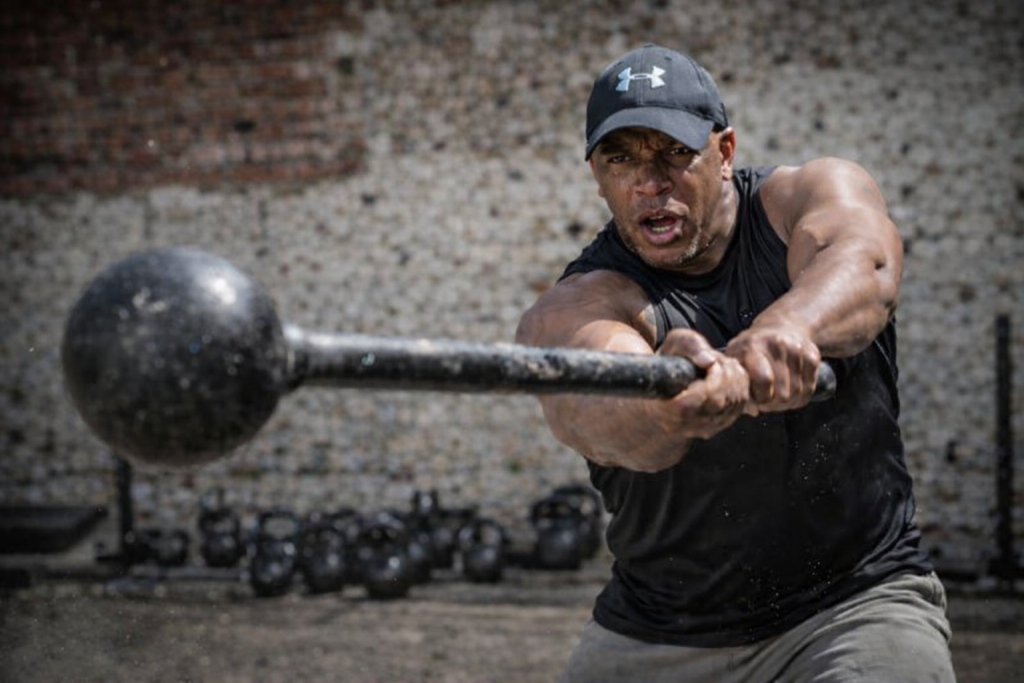
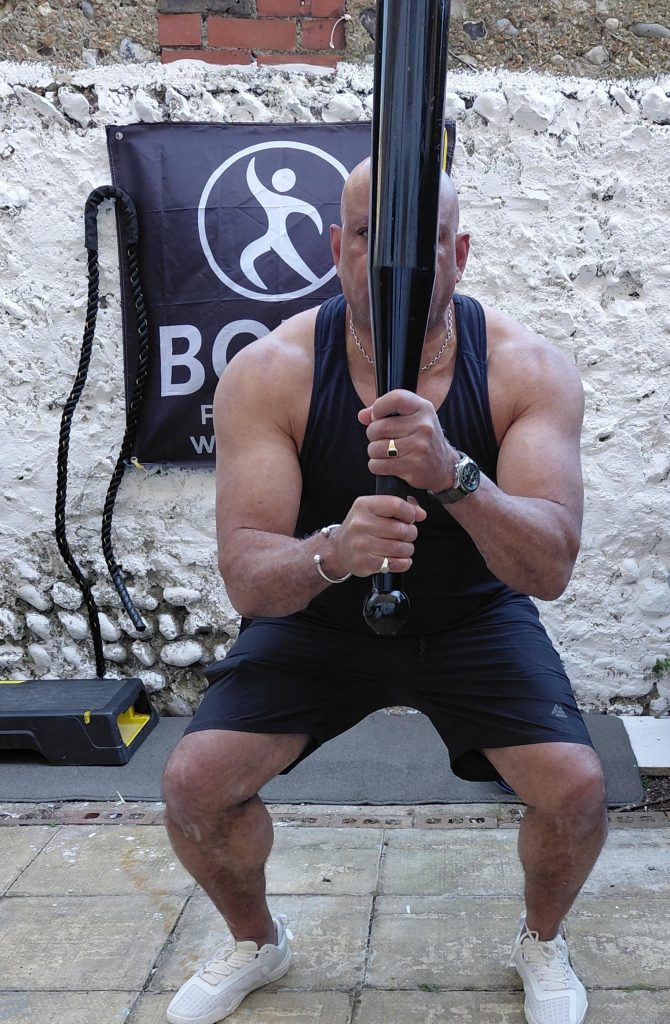
Functional tools like macebells and clubbells are redefining strength training. They combine ancient movement patterns with modern biomechanics to build rotational power, shoulder resilience, and grip endurance — ideal for athletes and everyday movers alike.
⚙️ What They Are
Macebells — Long handle with a heavy ball at one end. Designed for rotational, flowing, full‑body patterns.
Clubbells — Shorter, tapered handles with weight distributed along the length. Ideal for controlled circular strength and shoulder conditioning.
⭐ Pros & Cons of Macebells
Pros
Rotational strength — Forces deep core and shoulder engagement.
Shoulder mobility — Encourages thoracic opening and overhead range.
Full‑body coordination — Fluid swings demand timing and control.
Grip endurance — Builds forearm resilience.
Flow training — Perfect for continuous sequences blending strength and mobility.
Cons
Steep learning curve — Momentum and offset load require precision.
Not beginner‑friendly — Needs baseline shoulder stability.
Space requirements — Wide arcs need room.
Technique over strength — You can’t brute‑force swings.
⭐ Pros & Cons of Clubbells
Pros
Balanced weight distribution — Easier to control; great for rehab/prehab.
Shoulder stability — Strengthens rotator cuff and scapular control.
Less rotational load — Balanced weight means less challenge for deep rotation.
Lower maximal load — Typically lighter than macebells.
Technique still required — Circular patterns can be complex.
Less dramatic full‑body engagement — Movements are tighter and more controlled.
🔍 Side‑by‑Side Summary
Tool
Best For
Load Style
Space Needed
Skill Level
Macebells
Rotational strength, mobility, flow
Highly uneven
High
Intermediate–Advanced
Clubbells
Shoulder stability, grip, control
Balanced/tapered
Low
Beginner–Advanced
🧭 Which Should You Use?
Choose Macebells if:
You want rotational power and mobility.
You enjoy long, fluid patterns or flow.
You train outdoors in the back garden, seafront or parks
Choose Clubbells if:
You want shoulder stability and wrist strength.
You train in smaller indoor spaces.
You prefer controlled, precise movement patterns.
If you are training outside in public spaces, please do so wth caution; both are modelled on old fighting tools.
The best functional approach?
Use both. Macebells build flow and rotation; clubbells build control and stability. Together they create a joint‑friendly, movement‑focused system ideal for longevity and performance.